Manchester has always been a city that leads — in music, culture, and fashion. But one scene that doesn’t get enough credit for its evolution is men’s barbering. From traditional straight-razor shaves to creative fades and textured cuts, Manchester’s barbershops have transformed over the decades, shaping the way men look, feel, and express themselves.
Let’s take a walk through the story of how barbering in Manchester grew from simple grooming to a cultural movement.
1. The Early Days: A Place for the Working Man
In the late 19th and early 20th centuries, Manchester was an industrial powerhouse — full of factories, mills, and hardworking men. Back then, the barbershop was a necessity, not a luxury.
Barbers offered quick trims, straight razor shaves, and sometimes even basic medical procedures like tooth extractions or bloodletting.
The atmosphere was simple, but one thing was already true — the barbershop was a social hub. Men came for the haircut but stayed for the conversation.
2. The Post-War Era: Clean Cuts and Classic Style
After World War II, men’s grooming took a refined turn. The focus shifted to classic short hairstyles — neat side parts, slicked-backs, and crew cuts.
Manchester barbers began to emphasize precision and consistency, taking inspiration from military styles. Many family-run barbershops opened during this time — some of which still exist today.
It was the golden age of the “gentleman’s haircut.”
3. The 1960s–1980s: Influence of Music and Fashion
As Manchester became the epicenter of British music — from the Beatles to Joy Division — men’s style followed suit.
The Mod movement brought sharp, polished looks; punk culture in the ‘70s introduced rebellion and DIY hairstyles; the ‘80s New Wave era added boldness and experimentation.
Barbers had to adapt quickly. Scissors met clippers, and classic cuts met creative edge. Manchester’s barbers were no longer just service providers — they were stylists.
4. The 1990s–2000s: Decline and Revival
By the 1990s, unisex salons became more popular, and many traditional barbershops started to disappear. However, in Manchester, the revival came fast.
As streetwear and hip-hop culture grew, so did demand for fades, shape-ups, and detailed beard work.
The rise of football culture — with Manchester United and City players setting trends — made grooming fashionable again. Suddenly, a visit to the barber was no longer routine — it was a statement.
5. Today: The Modern Men’s Grooming Movement
Modern barbering in Manchester is a mix of heritage and innovation.
Today’s barbershops are stylish, community-driven spaces where men come not just for a cut, but for conversation, coffee, or even whiskey.
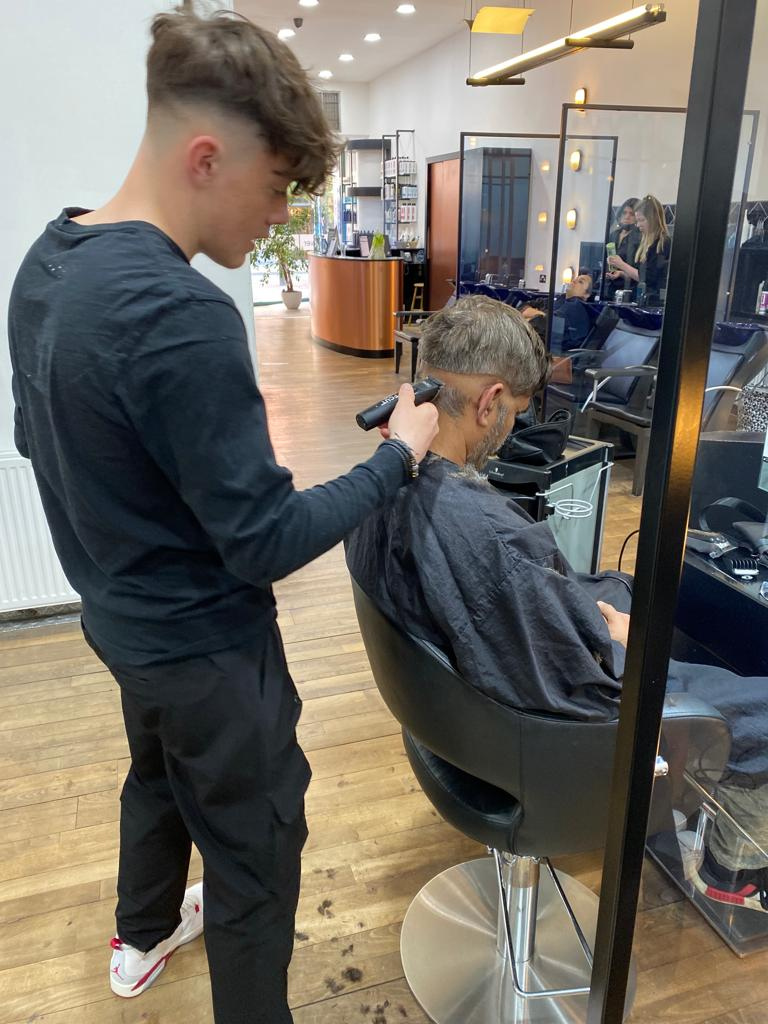
Barbers combine classic techniques — like straight razor finishes — with modern fades, textured tops, and skin blends. Social media has also changed the game: Mancunian barbers showcase their artistry to thousands of followers online.
The modern barber is part craftsman, part artist, part therapist.
6. The Future of Manchester Barbering
As trends evolve, Manchester continues to lead the charge in creative grooming. We’re seeing more focus on sustainability, premium products, and personalized styling.
What won’t change? The barbershop will always be that safe, familiar space where men come to look sharp, talk freely, and feel like themselves.
Final Thoughts
From the smoky barbershops of the industrial era to the sleek, modern studios of today, Manchester’s barbering story is one of craftsmanship, culture, and community.
It’s not just about hair — it’s about tradition, confidence, and connection.
And in true Mancunian spirit, this evolution shows no signs of slowing down.